In the fall of 1869, Yellowstone was still a rumor. Mountain men told of boiling springs, a canyon cut deep into yellow rock, and a great lake high in the mountains, but few people in Montana Territory had seen those wonders for themselves and lived to describe them clearly. That September, three working men from Diamond City, a gold camp in Confederate Gulch east of Helena, decided to go and look. They were David E. Folsom, Charles W. Cook, and William Peterson, and their journey would become the first organized expedition to explore the region that became Yellowstone National Park.
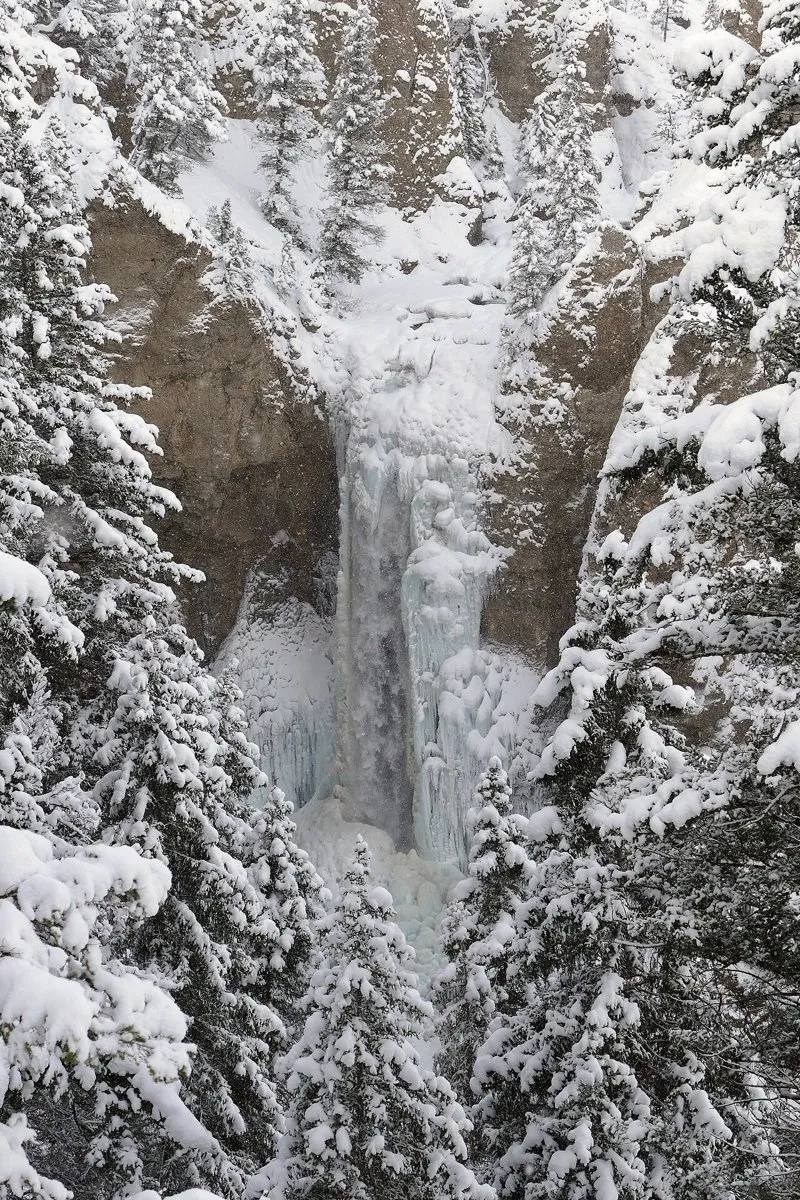
Click to see more photos of Tower Fall — one of the wonders the 1869 party described
The three had hoped to join a larger expedition that never came together. Rather than give up, they set out on their own, leaving Diamond City on September 6, 1869. A friend warned them the trip was, in the words the National Park Service still quotes, "the next thing to suicide" because of feared trouble along the way. They went anyway, traveling from Bozeman down the divide between the Gallatin and Yellowstone rivers, crossing the mountains to the Yellowstone River and following it south into what is now the park. It was a small, privately financed party with pack animals and provisions, and no Army escort.
What they found confirmed the old stories and added careful detail. They observed Tower Fall, then reached the Grand Canyon of the Yellowstone, which Cook called "this masterpiece of nature's handiwork." They continued past Mud Volcano to Yellowstone Lake, traveled south along the lake to West Thumb, and went on to Shoshone Lake and the geyser basins of the Firehole River before following the Madison River out. After 36 days they returned to Diamond City on October 11, 1869, having traced a route that later parties would follow and having seen, in order, many of the features visitors still seek out today.
Cook and Folsom both kept journals, and after the trip Cook combined them into a single account. Eastern editors were skeptical. The account was submitted to major publications and declined as too improbable to believe, and it finally appeared in a significantly edited version in Western Monthly magazine. The party also updated an earlier map of the region, the DeLacy map of 1865, giving the next explorers firmer ground to work from. Did you know that Yellowstone's first organized explorers were doubted precisely because what they reported was so extraordinary?
Their real influence was personal as well as printed. Folsom talked privately with friends in Helena, including Nathaniel P. Langford, and helped convince him that a fuller expedition should go the next year. That encouragement helped spur the Washburn-Langford-Doane Expedition of 1870, which named Old Faithful and carried Yellowstone's story to a national audience, followed by the Hayden Survey of 1871. Without the quiet, determined ride of Cook, Folsom, and Peterson in 1869, that chain of events might have started later and differently. They asked for no fame and received little in their lifetimes, but every Yellowstone journey since has followed, in part, in their tracks.
Photo: Tower Fall in winter, Yellowstone National Park, December 2015 — photo by Diane Renkin, National Park Service, via Wikimedia Commons (public domain).